
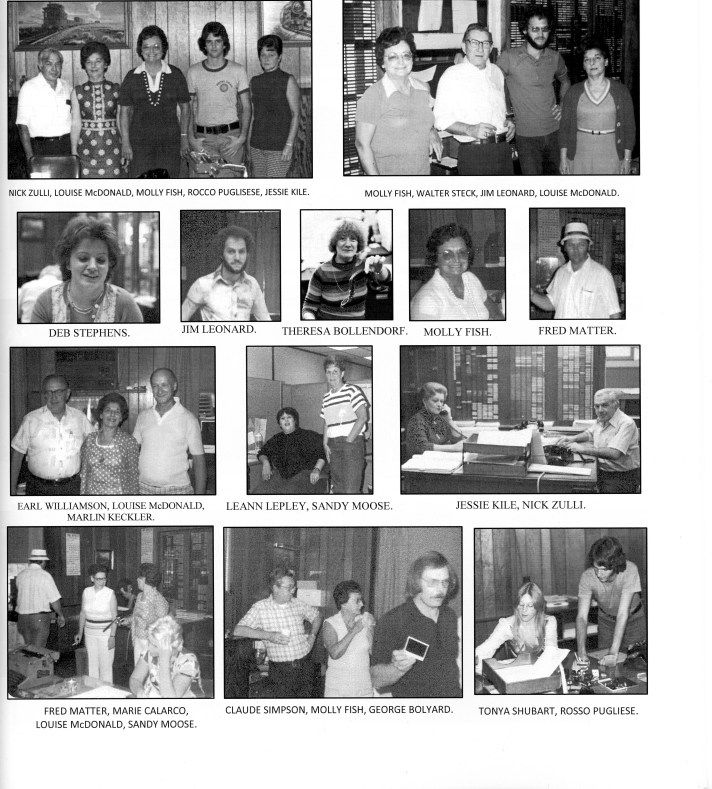
For 15 years, a group of hardworking men and women in Enola, Pennsylvania, kept one of the busiest rail yards in the country running smoothly. The Enola Brick Office Crew Dispatchers were the people behind the scenes who made sure trains had crews, schedules were followed, and records were always up to date.
What Did They Do?
Crew dispatchers had an important job: calling railroad crews to work. They would either call workers at home or send out a crew caller. Each man needed at least a two-hour heads-up to get ready and report in. The dispatchers also kept track of who was working, when they clocked in or out, and who was available for extra shifts. These tasks were recorded by hand—nothing was computerized back then.
They managed road and yard boards, handled changes in schedules, and updated crew books with new postings and advertisements. On top of that, they took direct orders from Yard Masters, which meant they needed to be quick, accurate, and dependable.
Tools of the Trade
Back in those days, the tools were simple but required great attention to detail. Crew boards, handwritten lists, telephones, and physical bulletin boards were the main tools dispatchers used daily. They even kept the phone numbers of local bars, just in case they had to track down a missing crew member.
The shift was eight hours long with just a 20-minute lunch. It wasn’t glamorous work, but it was essential. Without them, trains wouldn’t leave on time, and freight wouldn’t move.
A Team of Dedicated Workers
Over the years, many names became familiar in the brick office. Chief Crew Dispatchers included Jerry Dowdrich, Gene Zentmeyer, Ace Parker, Jim Moore, our very own Jim Leonard, and Skip Simpson. Crew Dispatchers like Shirley Samois, Alma Moser, Molly Fish, and many others filled the office with dedication and long hours. Some names may have faded, but their work remains part of local rail history.
The End of an Era
By 1980, the railroad industry started modernizing. Computers began replacing manual logs and handwritten boards. With the shift toward automation, the need for such a large dispatch team faded. The Enola Brick Office was shut down, and operations moved to New Jersey. It was part of a larger effort to cut costs and centralize dispatching.
Why It Still Matters
The story of the Enola Brick Office is more than just railroad history—it’s about people. People who worked hard, followed the rules, adapted on the fly, and did their part to keep the trains running. It’s a reminder of how much work happens behind the scenes, and how dedicated teams once did everything by hand in a world now run by machines.

